
Customary Law vs. State Law: How They Coexist in the CHT
Living in the Chakma Circle means navigating two legal worlds: the laws of Bangladesh and the Customary Laws of the ancestors. But how do they work together? Does the police intervene in a tribal divorce? Does the Raja judge a theft?
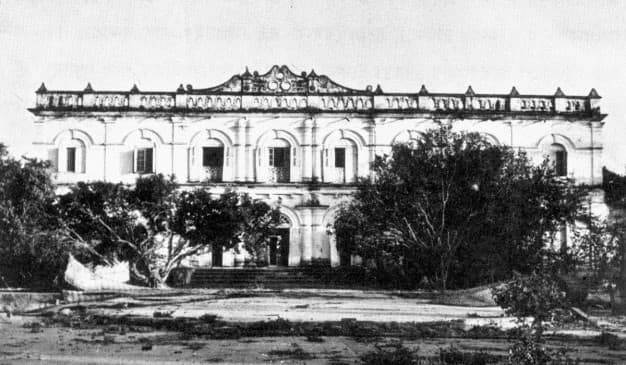
This post addresses a common question: “Which law applies when?” It explains the dual legal system in the Chittagong Hill Tracts. It details how the Civil Courts handle criminal cases (like murder or robbery), while the Traditional Courts (Raja/Headman) handle civil and social matters (marriage, divorce, custody). It highlights the harmony—and occasional friction—between these two systems.
Recent Updates
Modernizing Customary Law: Adapting Tradition for Today’s Justice
Tradition is not static; it flows like a river. As society changes, so must our laws. The Chakma Circle is currently undergoing a quiet legal revolution, interpreting ancient customs through the lens of modern human rights.
Land Disputes and the Headman’s Court: The First Line of Defense
In the hills, land is life. But who decides where one man’s land ends and another’s begins? Enter the Mouza Headman. Tasked with the authority to oversee land management, the Headman’s court is often the battleground for resolving complex boundary disputes.
CHT Regulation 1900: The Legal Backbone of Hill Administration
You cannot speak about law in the Hill Tracts without understanding the ‘Manual.’ The CHT Regulation 1900 is the constitution of our traditional administration.