
Latest Revenue Updates
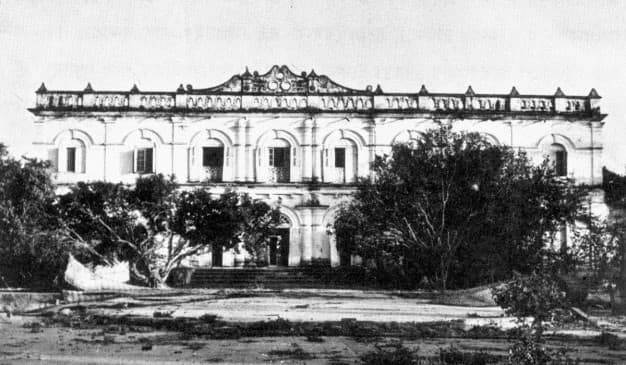
The Significance of ‘Raj Punyah’: More Than Just Revenue Collection
In the modern world, paying taxes is often a silent, digital transaction. But in the Chakma Circle, it is a celebration. The ‘Raj Punyah’ is a historic tradition where the act of giving revenue transforms into a display of unity and loyalty.
The Role of the Headman in Mouza Management and Revenue
The Headman is more than just a collector; he is the guardian of the Mouza. Balancing the duties of a judge, a land manager, and a revenue officer requires immense integrity. In this article, we look at the specific revenue duties of the Headman, how the commission system works, and why their accurate reporting is crucial for the prosperity of the entire Circle.
Modernizing the Treasury: Digitalizing the Chakma Revenue System
Gone are the days of lost ledgers and manual errors. The Chakma Raj is stepping into the digital era. With our new online portal, verifying land grants and revenue status is now just a click away. Learn how our new QR-code-based verification system ensures that your land rights are secure and your revenue payments are instantly recorded.
Why Paying ‘Rajosso’ (Revenue) is Vital for Cultural Preservation
Is the ‘Rajosso’ just a tax? No, it is the lifeline of our identity. Every Taka contributed to the Chakma Circle goes towards sustaining the institutions that protect our culture, language, and traditions. Find out how your contribution helps organize the Raj Punyah and keeps the historic Chakma administrative system alive in the modern world.
The Legacy of CHT Regulation 1900 and Land Revenue
To understand our present, we must look at our past. The CHT Regulation 1900 is not just a history book; it is the living law that empowers the Chakma Circle. We explore how this century-old regulation defined the revenue powers of the Raja and secured the land rights of the hill people against external encroachment.