
Raja Devasish Roy
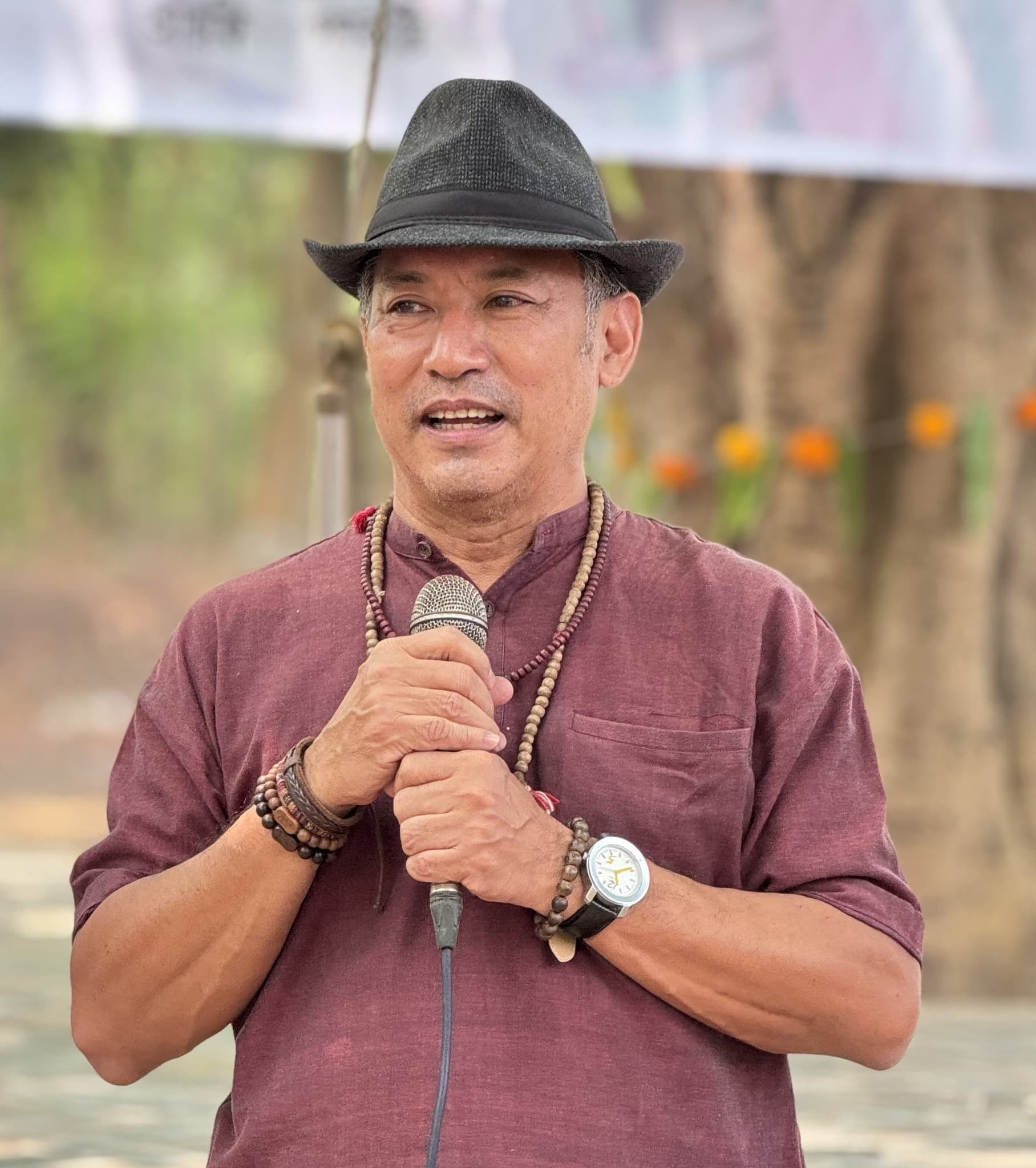
Raja Devashish Roy — The Custodian of the Chakma Heritage
In the green, mist-covered hills of the Chittagong Hill Tracts — where rivers wind like silver threads through bamboo forests — stands a man whose life bridges the worlds of tradition and modernity. Raja Devashish Roy, the 50th Chakma Raja, is not merely a figurehead of a royal lineage, but a scholar, lawyer, and voice of his people — the Chakma community, one of the largest and most culturally distinct indigenous groups of Bangladesh.
Early Life and Heritage
Born on April 9, 1959, in Dhaka (then East Pakistan), Devashish Roy was born into a royal family deeply entwined with the history of the Chittagong Hill Tracts. His father, Raja Tridev Roy, was a towering figure — the Chakma King who represented his people on the global stage, even serving as Pakistan’s Minister for Minority Affairs and Ambassador to Argentina.
His mother, Rani Arati Roy, was known for her grace and compassion — qualities that would later echo in her son’s own leadership style.
However, the young Devashish’s early years were marked by a turning point in national history. During the Bangladesh Liberation War of 1971, his father sided with Pakistan, leading to a permanent political and personal division. After the war, Tridev Roy went into exile in Pakistan, while his son chose to remain in the newly independent Bangladesh — a decision that shaped the rest of his life and leadership.
Education and Legal Career
Devashish Roy pursued a strong academic path, following in his father’s intellectual footsteps. He completed his higher education in law and later became an Advocate of the Supreme Court of Bangladesh.
His background in law gave him not only a deep understanding of the country’s judicial system but also a sharp awareness of the legal complexities surrounding indigenous rights, land ownership, and cultural autonomy in the Hill Tracts.
Through his legal training, he developed a worldview that balanced customary laws and modern state structures, a rare perspective that would later define his leadership style as Raja.
Becoming the Chakma Raja
When his father went into exile, the Chakma throne was left symbolically vacant. In 1977, upon reaching adulthood, Devashish Roy was formally recognized as the Raja of the Chakma Circle — the traditional administrative and spiritual jurisdiction of the Chakma people, one of the three major indigenous circles in the Chittagong Hill Tracts (alongside the Mong and Bomang Circles).
As Raja, his duties went beyond ceremony. He became the chief custodian of Chakma culture, the intermediary between the government and indigenous communities, and the arbiter of customary disputes. Under his guidance, traditional systems like the Karbaris (village headmen) and Mouza headmen continued to operate, preserving the ancient governance models of the Chakma society.
Role as Leader and Advocate
Raja Devashish Roy is widely respected for his progressive leadership. Unlike many hereditary leaders, he did not restrict his role to symbolic functions. Instead, he emerged as an active voice for the rights of indigenous peoples, both nationally and internationally.
He played an influential role in the implementation of the 1997 Chittagong Hill Tracts Peace Accord, which aimed to end decades of armed conflict and bring autonomy to the indigenous regions. As a negotiator and advisor, he emphasized dialogue, justice, and long-term peace — principles that continue to define his public service.
Internationally, he represented Bangladesh’s indigenous peoples at the United Nations Permanent Forum on Indigenous Issues (UNPFII), where he spoke about issues like land rights, cultural preservation, and environmental sustainability. His eloquence and calm demeanor earned him recognition as a thoughtful statesman and humanitarian.
Service in Government
Beyond his royal responsibilities, Raja Devashish Roy also served his nation in the formal political sphere. During Bangladesh’s Caretaker Government (2007–2008), he was appointed Special Assistant to the Chief Adviser, with responsibilities for the Ministries of Chittagong Hill Tracts Affairs, Environment, and Forests.
In this role, he worked to promote sustainable development and environmental protection, while ensuring that indigenous communities had a say in policymaking. His tenure was marked by an emphasis on balance between modernization and cultural respect — a recurring theme in his leadership philosophy.
Cultural and Spiritual Leadership
The Chakmas, followers of Theravada Buddhism, have a deep-rooted spiritual connection to nature and community life. Raja Devashish Roy, a devout Buddhist himself, has often spoken about the values of compassion, tolerance, and coexistence as guiding principles of leadership.
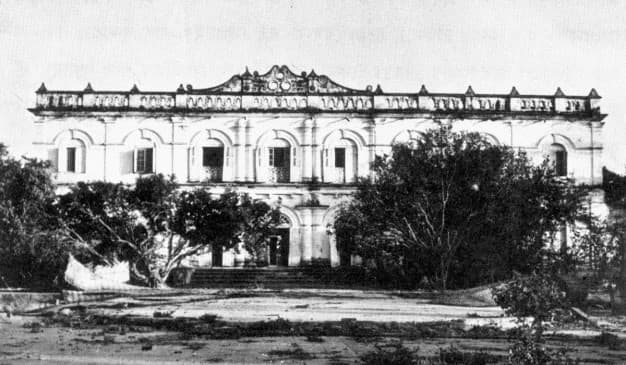
Under his reign, the Chakma Rajbari (Palace) at Rangamati continues to be a symbol of heritage — a place where tradition meets transformation. He frequently presides over social functions, cultural festivals, and religious ceremonies, helping to preserve the rich Chakma customs, language, and dress that form part of Bangladesh’s diverse cultural mosaic.
Challenges and Vision
Leading an indigenous community in a modern nation-state is not without challenges. The Chakma Circle, like other Hill Tracts regions, faces ongoing issues such as land disputes, resource exploitation, migration pressures, and cultural assimilation. Raja Devashish Roy’s task has been to navigate these sensitive realities — seeking progress without erasing identity. He advocates for education, women’s empowerment, and environmental conservation, viewing these as keys to long-term prosperity. In his words and actions, he embodies a vision of leadership that is quiet yet firm, traditional yet forward-looking.
Legacy and Personality
Those who know Raja Devashish Roy describe him as soft-spoken, articulate, and deeply reflective. His command of both English and Bangla, along with his knowledge of Chakma culture, allows him to move easily between the worlds of the village, the court, and the international forum. He stands today as a symbol of continuity — a living bridge between the Chakma people’s ancient royal traditions and their future aspirations in a globalized world.