
Administrative Structure: Raja, Headman, and Karbari
An in-depth look at the unique three-tier governance system of the CHT, detailing the roles and responsibilities of the Circle Chief, Mouza Headmen, and Village Karbaris.
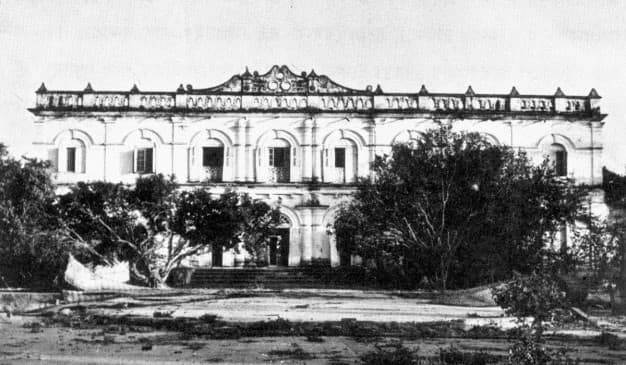
The governance of the Chittagong Hill Tracts is unique because it blends state laws with traditional administrative structures. The Chakma Circle operates on a time-tested three-tier system designed to ensure that governance reaches the most remote villages.
At the apex stands the Circle Chief (Raja). He is responsible for the overall supervision of the Mouzas (revenue districts), the appointment of Headmen, and the preservation of customary laws. He acts as the bridge between the government and the indigenous people.
Beneath the Chief are the Headmen. A Headman is in charge of a ‘Mouza’, which consists of several villages. His duties include collecting ‘Jhum’ tax, settling land disputes, and issuing recommendation letters for permanent resident certificates. The Headman is the key link between the grassroots and the Rajbari.
At the village level, the Karbari is the leader. Chosen by the villagers and appointed by the Circle Chief, the Karbari maintains social order, resolves minor family disputes, and assists the Headman in revenue collection.